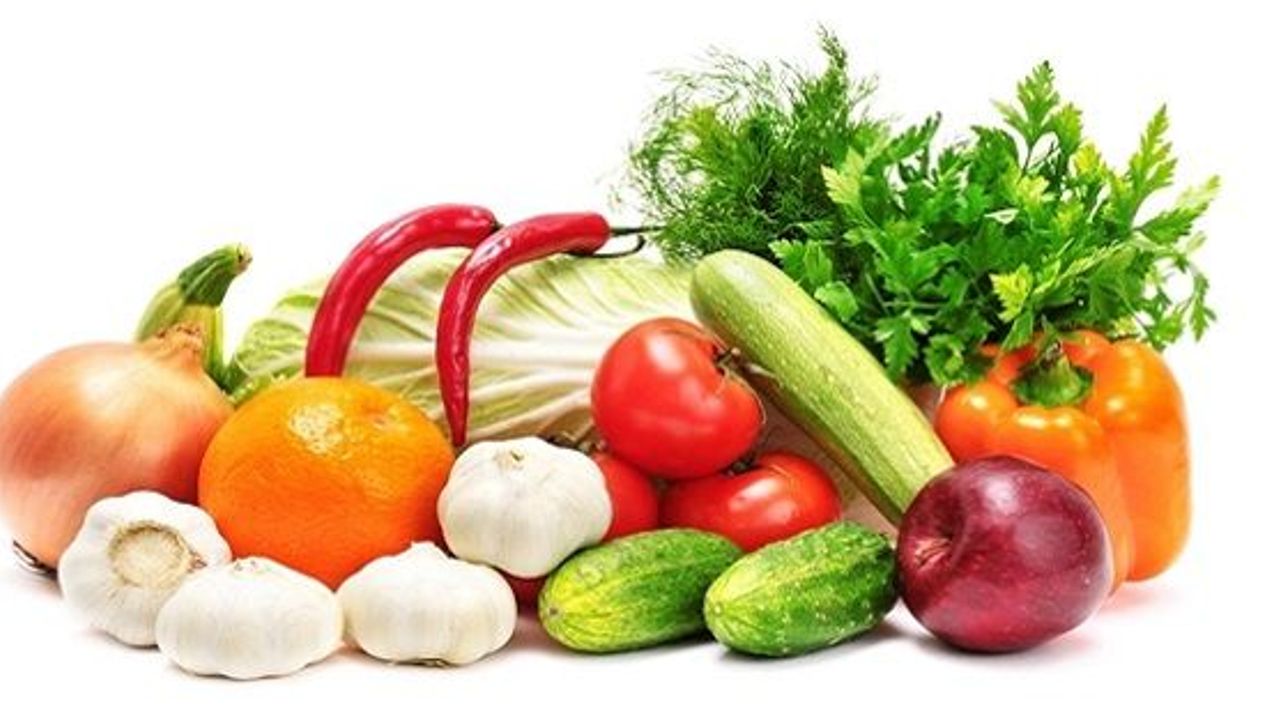
Orange As A Snack
Orange As A Snack are packed with essential nutrients and offer numerous health benefits. Their natural sweetness bursts with juicy flavor, offering a refreshing pick me up anytime. Peeling an orange is simple and mess free, making it a go to choice whether you’re at home or on the move.
Beyond taste and convenience, oranges pack a punch of vitamins and hydration in every segment. Their vibrant color and crisp texture invite you to enjoy a healthy snack that feels like a little treat. Let’s explore what makes oranges such a popular, satisfying choice for snacking.
Nutritional Powerhouse Packed in a Peel
Eating an orange isn’t just about enjoying a juicy snack it’s a simple way to load up on essential nutrients. Each segment brings more than just flavor; it delivers vitamins, fiber, and hydration that work together to support your body. Let’s break down some of the key benefits held within that thin peel.
Vitamin C: The Immunity Booster
Vitamin C is a superstar in oranges, shining bright as a defender of your immune system. This nutrient helps your body fight off illness by supporting the activity of white blood cells. Beyond keeping you healthy, vitamin C plays an important role in skin care it aids in collagen production, keeping your skin firm and glowing. Plus, it helps your body absorb iron from plant based foods, which can prevent fatigue and keep your energy steady. Enjoying an orange is like giving your immune system a fresh, vibrant boost.
Fiber for Digestion and Fullness
Oranges contain both soluble and insoluble fiber, making them excellent for digestion. Fiber slows down the breakdown of sugar in your body, which helps keep blood sugar levels stable. It also adds bulk to your stool, aiding regular bowel movements and reducing the risk of constipation. When you snack on an orange, the fiber fills you up, helping to control hunger and prevent overeating later in the day. The natural texture of the orange segments makes each bite a gentle reminder of how tasty healthy fiber can be.
Hydrating Naturally
An orange is about 86% water, which means it’s a tasty, natural way to stay hydrated. Eating an orange delivers both fluids and important electrolytes like potassium. This combination supports proper hydration, especially on hot days or after physical activity. Instead of reaching for soda or sugary drinks, an orange provides water and nutrients without any added sugar or artificial ingredients. It’s like a natural drink and snack all in one, refreshing your body from the inside out.
Simple, Convenient, and Mess Free Snack
Oranges stand out as a snack that fits perfectly into busy lifestyles. Their natural packaging makes them easy to carry, easy to eat, and easy to enjoy without any fuss. Whether you’re rushing between meetings, packing lunch for the kids, or just craving a quick bite, an orange slips effortlessly into your routine. The bright peel protects the juicy segments inside, keeping them fresh and ready to eat. Let’s take a closer look at how to choose the best oranges for snacking and how to peel them without creating a sticky mess.
Choosing the Right Orange for Snacking
Not all oranges are the same when it comes to snacking, and picking the right variety makes a big difference. Here are three types that shine for their sweetness, texture, and easy to eat qualities:
- Navel Oranges: These are the classic snack orange. They have a thick peel that’s easy to remove and a sweet, juicy flesh with no seeds. Their segments hold together well, so the mess stays inside the peel, not on your hands. Their bright, firm texture makes every bite satisfying.
- Mandarins: Small, easy to peel, and perfectly bite sized, mandarins are made for snacking. Their thin skin almost slips off in your hands, and their sweetness is often more pronounced than other oranges. Because of their size, they’re excellent for packing in lunchboxes or grabbing on the go.
- Blood Oranges: With a juicy, tangy sweet flavor and striking deep red flesh, blood oranges add variety to your snack palette. They tend to be a little softer than navels, which can make peeling a touch trickier, but their unique taste makes the effort worthwhile.
Choosing fruit that feels firm and heavy for its size usually means it’s packed with juice and ready to snack on right away. Avoid oranges with soft spots or blemishes, which might be less fresh.
Peeling Tips to Save Time and Avoid Mess
Peeling an orange quickly and cleanly is part of the charm that makes it a top snack choice. Here are a few tricks to keep things neat and fast:
- Score the Peel First: Use your thumbnail or a small knife to gently score the peel around the middle of the orange. This makes it easier to pull the skin off in larger pieces without tearing or leaving bits stuck to your fingers.
- Work From the Top or Bottom: Starting at the stem or blossom end helps you get a grip without squishing the fruit. It also guides the peel’s natural lines for easier removal.
- Use a Spoon for Stubborn Skin: If your orange has stubborn bits of pith (the white part), slide a spoon between the peel and the fruit to lift it away smoothly. This keeps the fruit clean and reduces sticky residue.
- Pre Peel in Advance: If you prefer, peel the orange at home and separate it into segments. Store them in an airtight container or small snack bag in the fridge. This way, you have ready to eat pieces that fit perfectly into your day without any hassle.
- Keep Napkins Handy: For the rare drips or sticky fingers, a small paper towel or napkin can help keep snacking tidy, especially when you’re out and about.
Peeling an orange with these simple steps turns what might seem like a fussy task into a quick and satisfying ritual. You can enjoy the natural sweetness without worries about juice running down your hands or sticky spills in your bag. This ease of eating makes oranges a standout choice for healthy, fuss free snacking anytime, anywhere.
Delicious Ways to Enjoy Oranges Beyond Just Eating Straight
Oranges are naturally delicious on their own, but they can do so much more than just satisfy your sweet tooth as a plain snack. Their bright, juicy flavor adds a fresh twist when paired with other foods. By mixing orange slices with leafy greens, creamy yogurt, or blending them into smoothies, you can create snacks that feel fresh, light, and full of surprises. Here’s how you can bring a little variety and extra zing to your orange snacking routine.
Fresh Orange Salad Ideas
Adding orange slices to salads creates a balance of sweet and savory that wakes up your palate without overpowering your greens. The citrusy note acts like a natural dressing booster, brightening each bite. Try these simple ideas for quick, refreshing salads:
- Spinach, Orange, and Walnut Salad: Toss baby spinach leaves with thin orange slices, toasted walnuts, and a light drizzle of olive oil and lemon juice. The crunch of walnuts pairs perfectly with the juicy orange segments.
- Arugula and Orange Salad: Combine peppery arugula with orange slices, slivers of red onion, and crumbled feta cheese. A splash of balsamic vinegar pulls all the flavors together.
- Mixed Greens and Orange with Almonds: Mix romaine and spring greens with orange wedges and toasted almonds. Add a sprinkle of salt and cracked black pepper for balance.
These salads don’t just taste good; they offer a refreshing snack option that feels light yet satisfying. The natural sweetness of oranges brightens the greens and adds a juicy texture you might miss in a plain salad.
Upgrade Your Yogurt Snack
Plain or lightly flavored yogurt can sometimes feel a bit bland if eaten on its own. Adding orange segments not only enhances the taste but also naturally sweetens it without any added sugar. Here’s how to boost your usual yogurt snack:
- Stir in peeled orange sections with a spoonful of honey and a dash of cinnamon for a cozy, sweet treat.
- Add chopped oranges to Greek yogurt, then sprinkle with toasted pumpkin seeds or granola for a mix of creamy, crunchy, and juicy textures.
- Combine orange slices with vanilla yogurt and a few fresh mint leaves for a cooling snack packed with zing.
By mixing in oranges, yogurt gets a bright, fresh kick. The citrus also adds a little tanginess that balances the creaminess and makes every spoonful more exciting.
Smoothies with a Citrus Kick
Smoothies are a go to for fast, healthy snacks. Oranges work beautifully here, offering both juice and texture that lift the whole drink to a new level. Here are a few tasty combinations to try:
- Blend fresh orange juice with frozen berries and banana for a smooth, sweet treat full of antioxidants and natural energy.
- Combine orange segments, spinach, and a scoop of protein powder for a green smoothie that feels fresh and light.
- Mix peeled oranges with pineapple chunks, coconut water, and a handful of ice cubes. This tropical blend is like a quick getaway in a glass.
Oranges add natural sweetness and a juicy burst that balances out denser fruits or leafy greens in smoothies. Plus, their vitamin C content gives your drink a refreshing lift that feels as good as it tastes.
Enjoying oranges this way breaks you out of the usual snack routine while keeping health and flavor front and center. The bright citrus flavor blends seamlessly, giving you something fresh and rewarding every time.
Savoring Oranges Safely and Responsibly
Oranges are a delightful snack, but like any food, enjoying them safely makes your experience all the better. There are a few things to keep in mind from allergies to protecting your teeth, and even how you store them to keep that fresh taste longer. This guide will help you enjoy oranges responsibly so every bite is as good for you as it is tasty.
Allergy Awareness
Although rare, some people may be sensitive or allergic to oranges. Symptoms can show up quickly and might include:
- Itchy or swollen lips, mouth, or throat
- Hives or skin rashes
- Stomach pain, nausea, or vomiting
- Difficulty breathing or wheezing
If you notice any of these signs after eating oranges, it’s important to stop consuming them and see a healthcare provider. For those who are sensitive but still want a citrus fix, consider alternatives like:
- Clementines or mandarins, which can sometimes be gentler
- Sweet apples or pears, which offer similar sweetness without citrus
- Papaya and mango, which bring tropical freshness without common citrus allergens
Knowing your body’s response helps you enjoy snacks without worry.
Protecting Your Teeth
Oranges are acidic they have natural citric acid that can wear down your tooth enamel over time. This means snacking on them frequently or leaving juice on your teeth may cause:
- Sensitivity to hot or cold foods
- Thinner enamel leading to more cavities
To protect your smile while enjoying oranges, try these tips:
- Eat whole segments rather than drinking orange juice to slow acid contact.
- Rinse your mouth with water after eating to wash away acid.
- Avoid brushing your teeth immediately after eating oranges; wait 30 to 60 minutes to prevent enamel damage.
- Use a soft bristled toothbrush and fluoride toothpaste to keep enamel strong.
Treat your teeth gently, and your smile will stay bright long after the orange segments are gone.
Best Practices for Storing Oranges
Keeping oranges fresh means more joy in every bite. Here’s how to store them for the best taste and longevity:
- Room Temperature: Oranges can sit on your counter for a week if kept away from direct sunlight and heat. This is convenient if you plan to eat them quickly.
- Refrigeration: For longer storage, keep oranges in the fridge’s crisper drawer. They last up to three to four weeks this way, and the cool temperature slows spoilage.
- Avoid Moisture: Moisture can cause mold to develop. Store oranges in a mesh bag or loosely in the crisper so air circulates around them.
- Check Regularly: Remove any oranges that show soft spots or mold to save the rest from spreading spoilage.
Freshness means flavor, so these simple storage habits keep your oranges juicy and ready whenever you want a bright, healthy snack.